In recent years, prefab homes have rapidly gained popularity across North America and Europe. Once considered a niche housing option, they are now redefining how people think about construction, design, and sustainability.
Faster Construction, Smarter Efficiency
Traditional construction projects often take months—or even years—to complete. Prefabricated homes, however, are manufactured in controlled factory environments. This significantly reduces construction time while improving precision and quality control.
Factory production eliminates weather delays, material waste, and on-site inefficiencies. The result? A home that is completed faster without compromising durability.
Cost-Effective Without Sacrificing Quality
Prefab homes are more cost-efficient because materials are purchased in bulk and production processes are standardized. Homeowners benefit from transparent pricing and fewer unexpected expenses.
Unlike conventional builds, modular construction offers predictable budgeting—an advantage especially valuable for developers and investors.
Sustainable and Energy Efficient
Modern prefab homes are designed with energy efficiency in mind. From insulated wall panels to smart ventilation systems, these homes are built to reduce energy consumption and environmental impact.
As sustainability becomes a priority worldwide, prefab housing provides a forward-thinking solution for eco-conscious buyers.
Design Flexibility
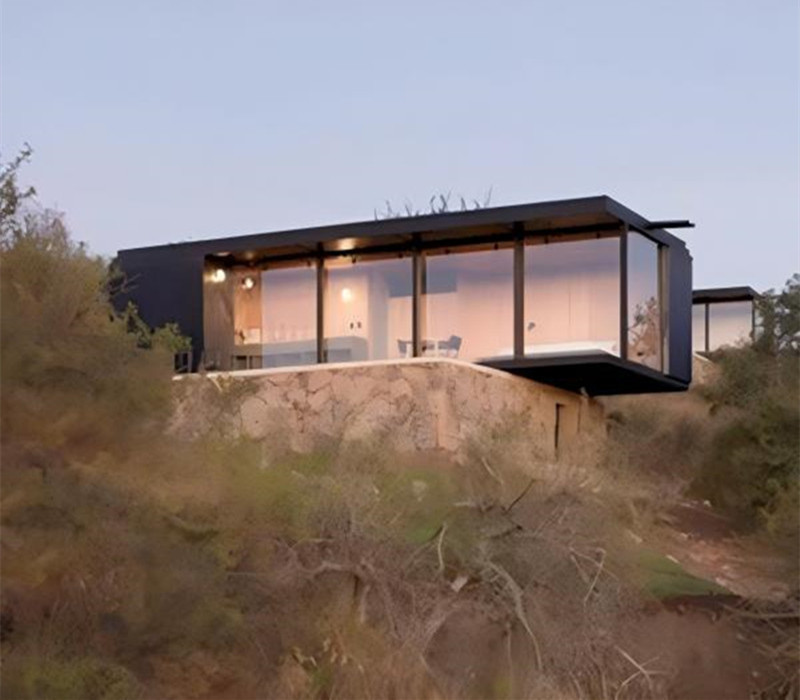
Today’s modular homes are highly customizable. Buyers can choose layouts, finishes, and structural configurations that suit their lifestyle. Whether it’s a compact modern retreat or a spacious family residence, prefab design adapts to diverse needs.
Prefab homes are not just an alternative—they are the future of smart, efficient, and sustainable living.

 03Mar
03Mar
 03Mar
03Mar
 by
by